
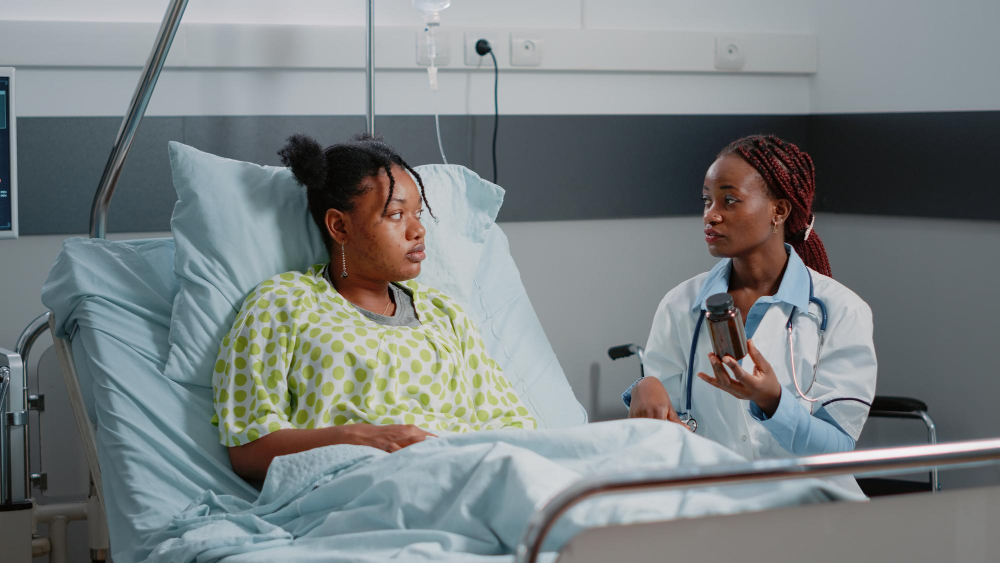
Malaria in Africa: A Preventable Yet Deadly Threat
Malaria remains one of the most devastating public health challenges in Africa. Despite being preventable and treatable, this mosquito-borne disease continues to claim hundreds of thousands of lives each year, especially among vulnerable populations like children and pregnant women.
At Nneoma Foundation, we are committed to raising awareness, supporting prevention efforts, and facilitating access to treatment across local communities. Understanding the scope of the malaria problem is the first step toward eradicating it.
The Cost of Malaria in Africa
The impact of malaria goes far beyond health — it affects families, economies, and future generations.
- Health Costs: According to the World Health Organization (WHO), Africa accounts for over 90% of global malaria cases and deaths. In 2023 alone, there were an estimated 233 million cases and 580,000 deaths in the region.
- Economic Costs: Malaria costs Africa billions of dollars in lost productivity, healthcare expenses, and reduced school attendance. Many families fall deeper into poverty due to repeated illness.
- Social Costs: Children miss school, caregivers lose work hours, and communities struggle to thrive under the burden of a preventable disease.
Who is Most Affected?
Malaria doesn’t affect everyone equally. It preys on the vulnerable:
- Children Under 5: Account for about 80% of all malaria deaths in Africa.
- Pregnant Women: Are at higher risk of severe complications, including stillbirth and maternal death.
- Rural Communities: Limited access to healthcare and lack of awareness make them more susceptible.
- Low-Income Families: Struggle to afford prevention tools like mosquito nets or pay for treatment.
Malaria Prevention: Simple Steps That Save Lives
Prevention is the most effective tool against malaria. Some proven strategies include:
- Insecticide-Treated Mosquito Nets (ITNs): Sleeping under treated nets can reduce transmission by over 50%.
- Indoor Residual Spraying (IRS): Regular spraying of homes kills mosquitoes and prevents bites.
- Environmental Management: Eliminating stagnant water where mosquitoes breed helps reduce the mosquito population.
- Awareness & Education: Teaching communities about malaria symptoms, causes, and prevention empowers people to take proactive steps.
At Nneoma Foundation, we distribute treated mosquito nets, provide community education, and support local health workers to strengthen prevention efforts.
Malaria Treatment: Early Action Saves Lives
When prevention fails, prompt diagnosis and treatment are crucial.
- Rapid Diagnostic Tests (RDTs): Allow quick detection in remote areas.
- Artemisinin-based Combination Therapies (ACTs): The most effective treatment recommended by WHO.
- Community Health Centers: Must be equipped to provide timely care to reduce complications and deaths.
Nneoma Foundation works with healthcare partners to ensure that families, especially in underserved areas, can access life-saving treatment when they need it most.
What You Can Do
You don’t have to be a medical expert to fight malaria. Here’s how you can help:
- Sponsor a Mosquito Net: Just a small donation can protect an entire family.
- Support Community Outreach: Help fund awareness campaigns and school programs.
- Advocate: Use your voice to push for better healthcare funding and policies.
- Partner with Us: If you’re an organization, let’s collaborate to reach more people.
Together, We Can End Malaria
Malaria is a stubborn enemy, but not an unbeatable one. Through collective effort, education, and compassion, we can create a future where no child dies from a mosquito bite.
Join us at Nneoma Foundation in the fight against malaria — because every life matters.
If you’d like to support our malaria prevention program or learn more, please visit www.nneomafoundation.org or contact us directly.